Does Homeowners Insurance Cover Fire and Smoke Damage?
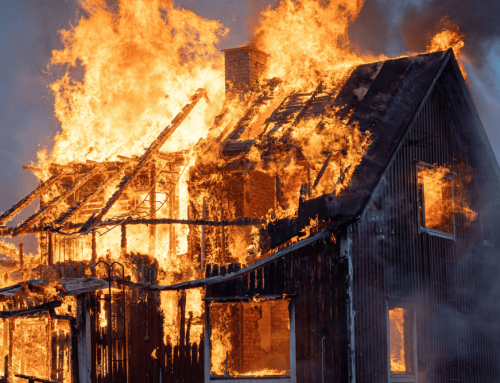
A house fire can leave behind several different types of damage, from burned materials and structural problems to lingering smoke and soot. The good news is that homeowners insurance will generally cover fire damage and smoke damage when they result from a covered event, although the exact coverage depends on the terms of your policy. Understanding what may be covered can make the claims and restoration process easier to navigate, as we explore here
Does Homeowners Insurance Cover Fire Damage?
Generally, yes. Standard homeowners insurance policies typically cover damage to the structure of a home caused by fire, as well as certain personal belongings damaged or destroyed by a covered fire.
The exact limits and conditions vary between policies, so it is important to review your coverage and understand your deductible. Michigan’s Department of Insurance and Financial Services recommends reviewing your policy or speaking with your insurance agent to make sure you have appropriate coverage.
Does Homeowners Insurance Cover Smoke Damage?
In most standard homeowners policies, smoke is also a covered peril. Smoke damage can affect areas of a home that were never touched by flames, including walls, ceilings, furniture, clothing, and other belongings.
Because smoke can travel throughout a property, the cost of addressing smoke damage may extend well beyond the room where the fire started. A professional assessment can help identify the full extent of the damage.
Does Insurance Cover Water Damage After a Fire?
It can. Water and other damage caused by firefighters while extinguishing a covered fire are generally covered under standard homeowners policies.
This can be an important part of the restoration process. A home may have smoke and soot damage as well as moisture in walls, ceilings, flooring, or other materials. Both types of damage may need to be addressed to properly restore the property.
Does Homeowners Insurance Cover Damaged Belongings?
Personal belongings damaged or destroyed by a covered fire are generally included under the personal property portion of a standard homeowners policy, subject to the policy’s limits and exclusions.
Furniture, clothing, electronics, documents, and other possessions may be affected by flames, smoke, soot, or water. Some items may be salvageable through professional cleaning and restoration, while others may need to be replaced.
Does Insurance Pay for a Hotel After a House Fire?
If a covered fire makes your home uninhabitable, your policy may provide Additional Living Expenses, sometimes called Loss of Use coverage. This can help with eligible additional costs associated with temporarily living elsewhere while your home is being repaired.
Coverage limits and eligible expenses vary, so check your policy and speak with your insurance company about what applies to your situation.
Should You Call Your Insurance Company After a Fire?
Yes. Contact your insurance company as soon as it is safe to do so. Your insurer can explain the claims process, tell you what documentation is required, and arrange for an inspection if necessary.
Take photographs and videos of the damage where it is safe to do so, and keep receipts for emergency expenses and temporary accommodation. Michigan DIFS also recommends documenting damaged belongings and keeping damaged items until your insurance company advises otherwise.
Can You Choose Your Own Restoration Company?
Your insurance company may recommend contractors or restoration companies, but that does not necessarily mean you have to use the company it suggests. Michigan DIFS states that homeowners have the right to choose their own contractor.
A professional restoration company can assess the property, document the damage, and explain what restoration work may be required. This can be useful when dealing with smoke, soot, water, and structural damage at the same time.
Does Homeowners Insurance Cover Storm Damage Too?
Many homeowners policies cover certain types of storm damage, including damage caused by wind and hail, but coverage varies by policy. Flood damage is generally excluded from standard homeowners insuranceand may require separate coverage.
This distinction can become important after a severe Michigan storm, particularly if water enters the home. Reviewing your policy before an emergency occurs can help you understand what protection you have.
What Should You Do Before Cleaning Up After a Fire?
Avoid starting extensive cleanup or throwing away damaged belongings before documenting the damage and speaking with your insurance company. Some policies and claims processes require an inspection or documentation of the property.
You should still take reasonable steps to protect the property from further damage when it is safe to do so. Keep receipts for emergency measures, and follow instructions from your insurance company and restoration professionals.
How X-Cel Restoration Can Help After Fire Damage
Dealing with fire damage can involve insurance questions, smoke and soot cleanup, water removal, damaged belongings, and repairs – often all at once. X-Cel Restoration can assess the property, identify the different types of damage, and help determine what restoration work is needed.
If your home has experienced fire or smoke damage, contact X-Cel Restoration for a professional assessment today.