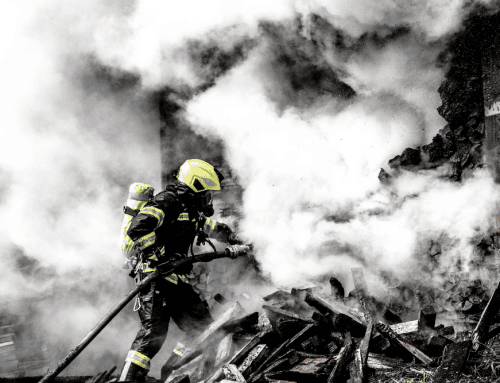
Smoke, Soot, and Structural Risk – What Happens Inside a Home After a Fire Is Put Out
When a fire is put out, many Michigan homeowners feel an understandable sense of relief. The flames are gone, everyone is safe, and the worst seems to be over. But inside the home, the aftermath is often just beginning. This is where fire damage restoration becomes critical – not because of what you can see, but because of what’s happening quietly behind walls, under floors, and in the air itself.
Even a small fire can leave behind smoke, soot, moisture, and hidden damage that continues to affect a home long after the fire trucks pull away. In Michigan, where homes are often tightly sealed against the cold for much of the year, these effects can linger longer and spread farther than people expect, as we explore here…
Smoke Has a Way of Going Everywhere
Smoke doesn’t stay contained to the room where a fire starts. It moves quickly through a home, slipping into hallways, bedrooms, closets, and ventilation systems. Once there, it settles into walls, ceilings, fabrics, and furniture.
Michigan homes are designed to hold heat, which also means they tend to trap smoke particles. Even after airing out the space, homeowners are often surprised to find that the smell of smoke returns days or weeks later. This lingering odor is usually a sign that smoke residue is embedded deep in porous materials.
Fire damage restoration addresses this kind of damage at the source. Simply masking the smell or cleaning visible surfaces often isn’t enough to prevent long-term odor issues.
Soot Leaves More Than a Mess
Soot is one of the most misunderstood byproducts of a fire. It’s fine, powdery, and easy to overlook at first glance. But soot can travel far beyond the burned area, coating surfaces throughout the home – including places you may not think to check, like inside drawers, on ceiling lines, or behind appliances.
Over time, soot can stain walls, damage finishes, and corrode metal surfaces. It can also affect electronics and appliances that were never exposed to flames. In Michigan’s humid summer months, soot can become even more difficult to remove as moisture causes it to bond more tightly to surfaces.
Because soot is so easily disturbed, improper cleaning can actually spread it further. That’s why fire damage restoration focuses on careful, methodical cleanup rather than quick fixes.
Water Damage Often Follows the Fire
While fire is the obvious cause of damage, water is often the silent second wave. The water used to extinguish flames can soak into floors, walls, and ceilings, creating problems that aren’t immediately visible.
In many Michigan homes, water flows downward into basements or crawl spaces, where it can sit unnoticed. Over time, this moisture can lead to warped materials, weakened structures, and even mold growth if conditions are right.
This overlap between fire and water damage is common, which is why fire damage restoration often includes drying and moisture control as part of the recovery process. Ignoring water damage can allow new problems to develop long after the fire itself.
Structural Issues Can Be Hidden
A home may appear stable after a fire, but heat can compromise structural elements in subtle ways. Wood framing can lose strength. Metal components may warp or weaken. Even areas that weren’t directly burned can be affected by heat traveling through the structure.
Older Michigan homes, in particular, may already have materials that are more vulnerable to heat stress. What looks like a cosmetic issue on the surface can sometimes indicate deeper concerns that shouldn’t be ignored.
Fire damage restoration isn’t just about cleaning – it’s about understanding how heat, smoke, and water have affected the home as a whole.
Timing Makes a Real Difference
The hours and days after a fire are important. Smoke residue becomes harder to remove the longer it sits. Moisture can lead to secondary damage if not addressed. Odors can become permanent if they’re allowed to settle in.
Acting promptly doesn’t mean rushing decisions. It means preventing further damage while you figure out next steps. For Michigan homeowners dealing with changing temperatures and seasonal humidity, early action can significantly reduce long-term issues.
Even if a fire was contained to one room, its effects rarely are. Fire damage restoration helps stop small problems from becoming much bigger ones.
Moving Forward After a Fire
A house fire is disruptive on every level – emotionally, financially, and practically. Understanding that damage continues after the flames are out can feel overwhelming, but it also gives homeowners the knowledge they need to protect their space.
Fire damage restoration exists to address what you can’t always see: the smoke in the walls, the soot in hidden areas, and the moisture trapped beneath surfaces. Knowing what’s happening inside your home helps you make informed decisions during a stressful time.
Even if a fire was contained to one room, its effects rarely are. Fire damage restoration helps stop small problems from becoming much bigger ones.
Begin Recovery With X-Cel Restoration
Recovering from a fire can feel like navigating unfamiliar territory. X-Cel Restoration works with Michigan homeowners to help them move through the cleanup and recovery process with clarity and care. If your home has been affected by fire, reaching out to X-Cel Restoration can be the first step towards restoring safety, comfort, and peace of mind through professional fire damage restoration.