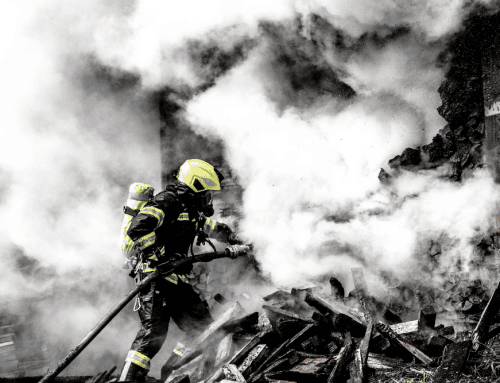
Why Winter Fires Are More Common – and How Fire Damage Restoration Helps Homes Recover
Michigan winters are long, cold, and unforgiving. When temperatures drop and snow piles up, our homes work overtime to keep us warm and comfortable. Unfortunately, that extra strain can also make winter one of the most common seasons for residential fires across the state.
From space heaters running around the clock to fireplaces getting their first use in months, winter creates a perfect storm of everyday risks. Understanding why winter fires happen – and how fire damage restoration supports recovery – can help homeowners respond calmly and confidently if the worst occurs, as we explore here…
Why Winter Increases Fire Risk in Michigan Homes
Cold weather changes how we live indoors. Windows stay shut, heating systems run nonstop, and temporary solutions often fill the gaps when homes struggle to stay warm.
One of the biggest contributors to winter fires is supplemental heating. Space heaters are convenient, but when placed too close to furniture, curtains, or bedding, they can quickly become dangerous. Fireplaces and wood-burning stoves also come back into regular use during winter months, sometimes without proper cleaning or inspection after sitting idle all year.
Holiday season habits play a role as well. Decorative lights, candles, and real Christmas trees can all increase fire risk, especially when combined with dry indoor air. Add in overloaded outlets and extension cords, and the danger quietly grows.
Even kitchens see an uptick in fire incidents during winter, as people cook more meals at home and host gatherings. None of these risks feels extreme on its own – they’re part of everyday winter life in Michigan – but together, they explain why winter fires are more common than many homeowners expect.
The Hidden Aftermath of a Winter Fire
When a fire is put out, it’s natural to focus on what’s visibly damaged. But winter fires often leave behind problems that aren’t immediately obvious.
Smoke and soot can spread far beyond the area where the fire started, settling into walls, ceilings, furniture, and HVAC systems. In winter, homes are sealed tightly against the cold, which allows odors and residue to linger longer than they might during warmer months.
Water damage is another frequent issue. Firefighting efforts often involve large amounts of water, and in freezing Michigan temperatures, that moisture can quickly turn into secondary damage. Wet materials left untreated may freeze, thaw, and refreeze, leading to warping, cracking, or mold concerns later on. This overlap is why many homeowners dealing with fire damage also find themselves needing broader winter damage restoration support.
How Fire Damage Restoration Helps Homes Recover
Fire damage restoration isn’t about rebuilding everything at once or diving into complex construction talk. At its core, it’s about stabilizing the home, cleaning what can be saved, and preventing further damage.
A restoration team focuses first on making the property safe and secure, especially important during Michigan winters when exposure to cold air can cause pipes to freeze or additional damage to occur. From there, smoke residue, soot, and lingering odors are carefully addressed to prevent them from continuing to affect indoor air quality.
Fire damage restoration also works hand in hand with winter damage restoration efforts. Moisture from firefighting is managed before freezing temperatures can make things worse, and damaged materials are assessed with both fire and cold-weather conditions in mind. The goal is always to help the home recover fully – not just cosmetically, but functionally as well.
Why Timing Matters During Winter Recovery
Winter leaves very little margin for delay. A home that’s already compromised by fire damage can deteriorate quickly if repairs or mitigation are put off. Cold air entering through damaged areas can affect the rest of the structure, driving up heating costs and increasing the risk of frozen plumbing.
Addressing fire damage promptly also helps homeowners avoid compounding issues that stretch into spring. What starts as a fire cleanup can easily turn into a much larger winter damage restoration project if moisture, cold, and smoke residues are allowed to sit.
Acting early helps preserve more of the home, shortens recovery time, and reduces the overall stress of an already difficult situation.
Preparing for the Unexpected
No one plans for a winter fire, but understanding the risks makes it easier to respond if one occurs. Simple steps like maintaining heating equipment, using space heaters carefully, and staying alert during winter cooking and decorating seasons can reduce the likelihood of fire.
Just as important is knowing that help exists after the emergency is over. Fire damage restoration provides a clear path forward, helping Michigan homeowners move from disruption to recovery – even during the harshest months of the year.
X-Cel Restoration: Trusted Help After Winter Fires
Recovering from a winter fire can feel overwhelming, especially when cold weather adds pressure and urgency. X-Cel Restoration helps homeowners navigate the recovery process with care, professionalism, and an understanding of Michigan’s unique winter challenges. If your home has been affected by fire, smoke, or related winter damage, reach out to X-Cel Restoration to learn how timely fire and winter damage restoration can help your home move forward safely and confidently.